Blog

  • Mysuru Man Loses ₹9.6 Lakh in Film-Style Gold Coin Scam

    Mysuru Man Loses ₹9.6 Lakh in Film-Style Gold Coin Scam

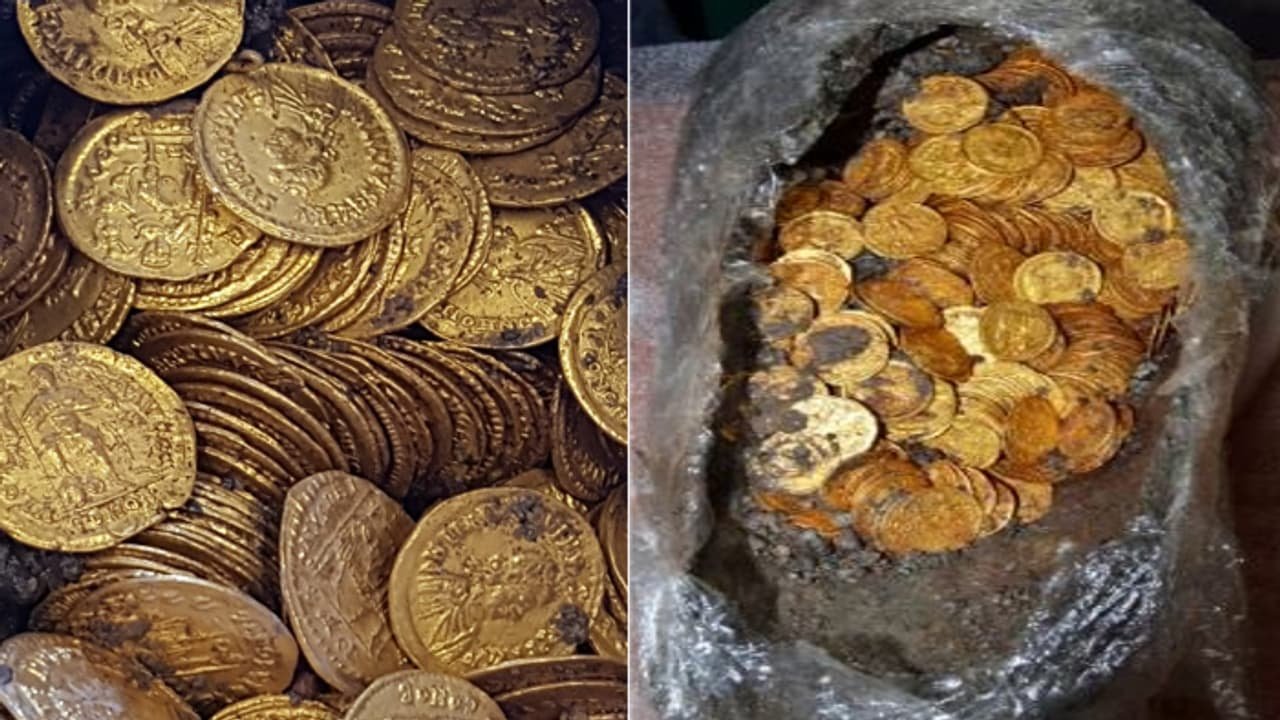
    A 41-year-old man from Mysuru, J Jagadish, was cheated of ₹9.60 lakh and his mobile phones in a gold coin scam in Karnataka’s Anandapura police limits. The accused lured him with fake treasure coins, staged a fake police drama, and fled with the cash. The incident began on June 1, 2026, when Jagadish received a call from an unknown number, claiming to have discovered a hidden treasure of gold coins and offering to sell them at a low price. The scammer even displayed the coins during a video call to gain his trust.

    Jagadish believed the story and travelled to Harihar on June 2, where two members of the gang handed him a gold coin and asked him to verify its purity. After returning to Mysuru and testing the coin, he found it to be genuine gold, which further strengthened his trust in the group. The scammers then contacted him again and offered to sell half a kilogram of gold coins for ₹10 lakh. Jagadish secured a loan of ₹10 lakh from a finance company by pledging his house documents and providing a security cheque. On June 4, Jagadish, along with his son-in-law Manoj and driver Rohit Singh, travelled to Joginagadde village in Sagara taluk to complete the transaction.

    However, the situation suddenly escalated when four unidentified men arrived on two bikes, pretending to be police officers. They questioned Jagadish and his companions aggressively, asking where they were from and whether they were involved in illegal activities. In the confusion, the initial scammers panicked and shouted that police had arrived. They snatched the bag containing ₹9.60 lakh from Jagadish, along with the bag of coins, and fled the scene. The impersonators also took mobile phones from Jagadish and his son-in-law before escaping on their bikes. The Anandapura police have launched an investigation and are currently tracking the accused, led by PSI Praveen. Jagadish has filed a complaint against a man identified as Manju and five others who are yet to be identified.


  • Mysuru City Corporation Launches Road Adoption Initiative

    Mysuru City Corporation Launches Road Adoption Initiative

    The Mysuru City Corporation has launched a road adoption initiative to make Mysuru cleaner. On January 1, the corporation, in collaboration with various private organizations, launched the “Mysuru Smart City” (Mysuru Intelligent City) initiative to improve the city’s infrastructure and cleanliness. The initiative aims to make Mysuru one of the cleanest cities in the country.

    As part of the initiative, the corporation has invited private organizations to adopt roads in the city and take responsibility for their maintenance and cleanliness. The adopted roads will be provided with necessary infrastructure such as dustbins, streetlights, and drainage systems. The organizations will also be responsible for planting trees and maintaining greenery along the adopted roads.

    The commissioner of the Mysuru City Corporation, G. Lakshmikantha Reddy, said, “The road adoption initiative is a part of our efforts to make Mysuru a cleaner and more beautiful city. We believe that with the help of private organizations, we can achieve our goal of making Mysuru one of the cleanest cities in the country.” He also appealed to more private organizations to come forward and adopt roads in the city.

    The “Mysuru Smart City” (Mysuru Intelligent City) initiative has been launched with the objective of improving the overall infrastructure and quality of life in Mysuru. The initiative includes various projects such as road development, solid waste management, and green space development. The corporation plans to complete these projects within the next two years.

  • Mysuru Ayurveda College Marks World Environment Day with Medicinal Sapling Distribution

    Mysuru Ayurveda College Marks World Environment Day with Medicinal Sapling Distribution

    Mysuru Ayurveda College celebrated World Environment Day by distributing 5,000 medicinal and herbal saplings to students and the public from June 1 to 5. The programme aimed to promote environmental responsibility, increase awareness about medicinal plants, and encourage conservation activities. The saplings, grown at Chandravana garden, were distributed as part of the institution’s effort to preserve and promote traditional herbal species. A variety of medicinal and herbal plants, including Adusoge, Nelabevu, and Ashwagandha, were distributed during the drive, which was held with the theme “one Ayurveda sapling to one student”.

    The distribution programme was inaugurated by college principal Dr Srivatsa, and over 400 students of the Ayurveda College participated in plantation activities at Chandravana. The initiative connected ecological protection with the practical relevance of medicinal plant knowledge, especially in the context of Ayurveda and traditional healthcare practices. Several organisations, students, and community members took part in the programme, which aimed to encourage households, learners, and community groups to recognise the importance of locally available herbal plants and their role in sustaining biodiversity.

    The programme was part of the college’s broader effort to encourage the preservation and promote the wider use of traditional herbal species. The distribution of medicinal and herbal saplings is expected to increase awareness about the importance of medicinal plants and encourage students and the public to take part in conservation activities. As part of the initiative, the college also emphasised the importance of student-led environmental action, with students actively participating in plantation activities at Chandravana. The event was organised under the Herbal Green Drive (Harida Mareyala Abhiyana) initiative, which aims to promote environmental responsibility and increase awareness about medicinal plants.